Why Fotona Laser Treatments in Encino, CA Continue to Grow in Demand
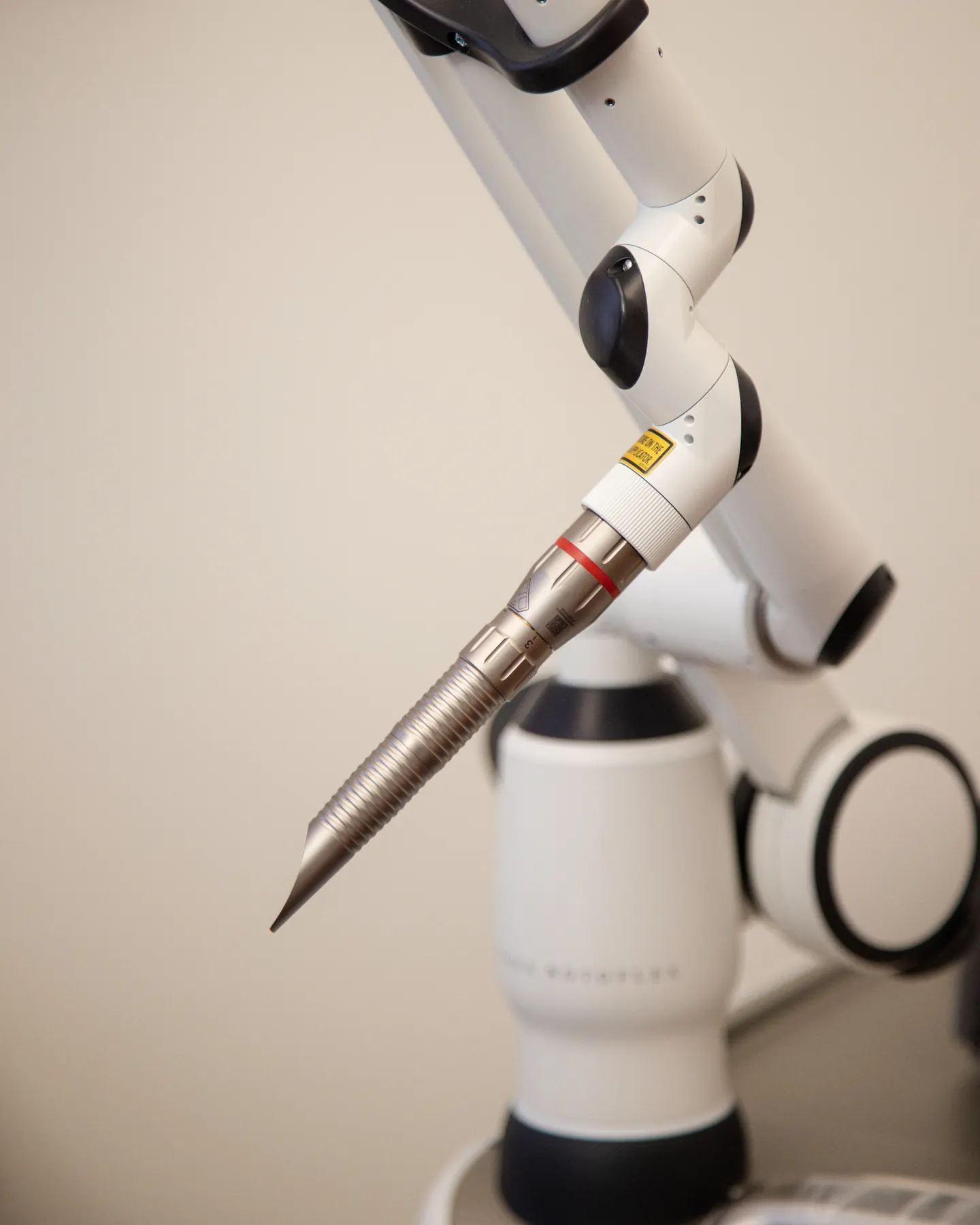
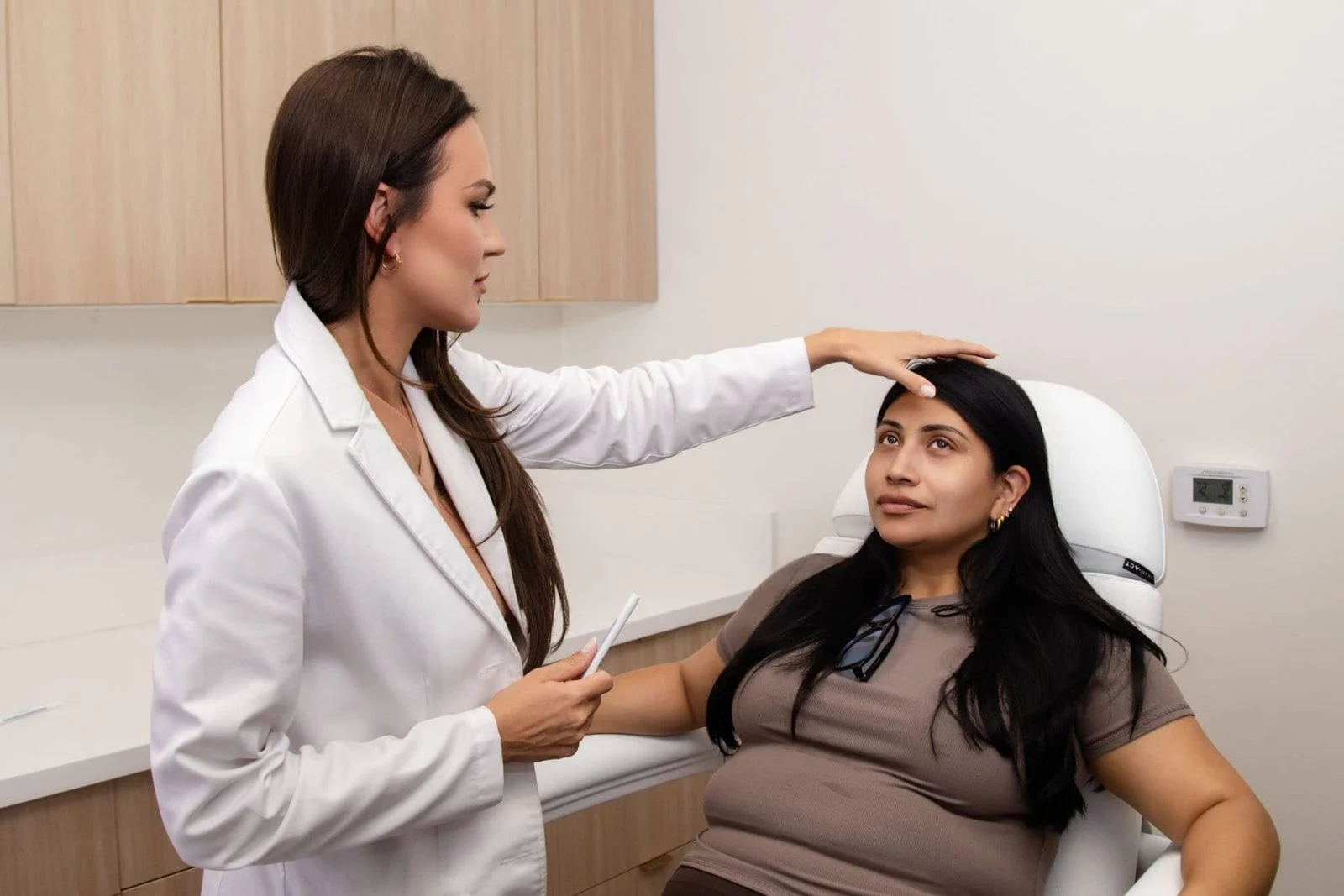
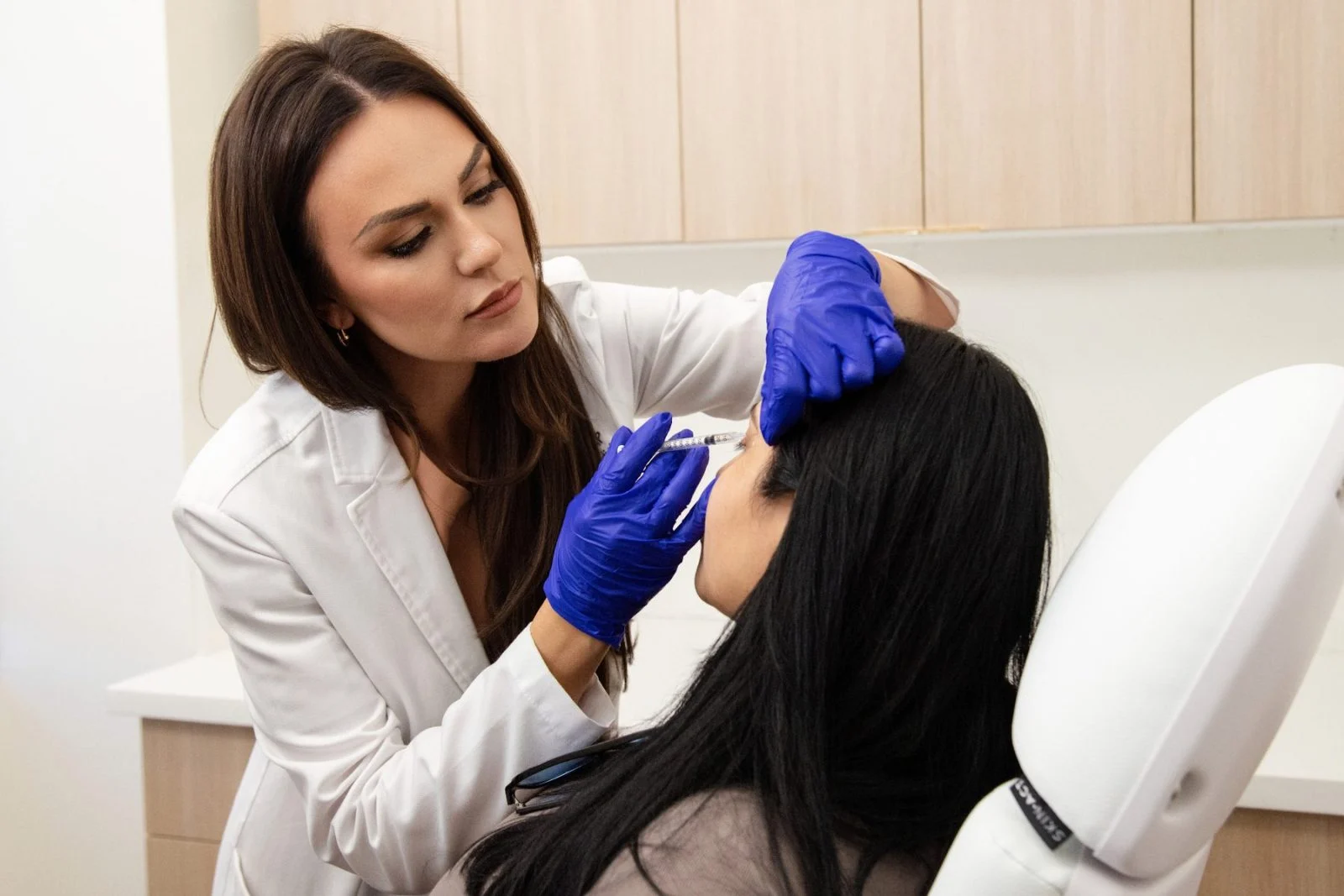
Demand for aesthetic treatments tends to rise and fall with trends, but some technologies build momentum for a different reason. They stay relevant because patients keep seeing solid results, physicians keep finding practical uses for them, and the experience fits what modern people actually want, which is meaningful improvement without a long recovery that disrupts work, family, exercise, and social life. That is a large part of the story behind the growing interest in Fotona Laser Treatments Encino, CA patients are asking about more often.
Encino is a market where people are informed, selective, and generally not interested in wasting time or money on treatments that sound impressive but deliver only subtle, short-lived change. They want options that can address real concerns such as laxity, texture, acne scarring, vascular issues, pigmentation, and signs of aging, while still respecting the realities of a busy schedule. Fotona platforms have earned attention in that environment because they occupy a useful middle ground. They are more capable than many superficial spa treatments, yet often less disruptive than surgery or aggressive ablative procedures.
That balance matters. It is one thing for a treatment to work in theory. It is another for it Fotona Laser Treatments Encino, CA to fit actual patient behavior. In practice, adoption grows when a technology is versatile, predictable in skilled hands, and adaptable to different skin concerns across a wide age range. Fotona has developed that reputation over time.
What makes Fotona different from the average laser conversation
A lot of laser discussions collapse into broad labels. Patients hear “laser resurfacing” and assume every laser does roughly the same thing, or that the only decision is whether they want mild or aggressive treatment. The reality is far more specific. Laser systems vary widely in wavelength, pulse duration, tissue interaction, treatment depth, and recovery profile. Those technical details are not just engineering trivia. They shape outcomes.
Fotona systems are often valued because they allow providers to work with different treatment modes and depths rather than locking them into a single narrow use. In practical terms, that means one platform may be used for rejuvenation, tightening, textural improvement, vascular issues, acne scar support, and even certain gynecologic or wellness-related applications depending on the device configuration and the provider’s training. Patients may not care about the underlying physics, but they do care that the treatment can be tailored rather than copied from a generic protocol.
That flexibility also helps explain why providers continue to invest in it. A technology that solves only one problem can be useful, but a technology that addresses multiple high-demand concerns becomes part of a practice’s daily workflow. Once that happens, experience accumulates, protocols improve, and patient trust grows.
Encino patients tend to favor treatments that fit real life
The local demand in Encino does not exist in a vacuum. It reflects how people here approach cosmetic care. Many patients are looking for visible improvement without broadcasting to the world that they had something done. They want to look fresher, smoother, tighter, or clearer, not dramatically altered. They also tend to ask smart questions about downtime, discomfort, maintenance, and how a treatment compares with injectables, peels, microneedling, RF tightening, or surgery.
Fotona fits that conversation well because it often offers a measured path. Someone who is not ready for a facelift may still want help with early skin laxity. Someone with acne scars may want more than topical products can offer, but may not want the heavier recovery of older resurfacing methods. Someone with pigment or redness may want treatment that can be calibrated thoughtfully rather than pushed to a one-size-fits-all endpoint.
In communities like Encino, people also tend to think in terms of cumulative care. They are not always searching for a miracle in a single session. They are often comfortable with a series if the logic is clear and the progression makes sense. That mindset supports technologies like Fotona, where providers can build treatment plans around a patient’s tolerance, timeline, and goals.
The appeal of collagen remodeling without a harsh recovery
One of the strongest reasons demand keeps rising is the enduring interest in collagen stimulation. Patients may not always use that phrase, but they understand the concept. They want skin that behaves younger, not just skin that looks temporarily polished. Better elasticity, tighter texture, softer lines, and smoother scars all point back to controlled tissue remodeling.
Fotona treatments are often positioned around that principle. By delivering energy in a way that stimulates change below the surface, these treatments can support gradual improvement over time. For the right patient, that is more appealing than an instant but short-lived effect. Gradual improvement also tends to read as more natural, which matters in image-conscious areas where obvious cosmetic work can feel socially risky.
Recovery profile is another major factor. People do not necessarily need zero downtime, but they increasingly resist the kind of downtime that forces isolation, extended redness, or a week of hiding from normal activities. A treatment that causes temporary redness, warmth, mild swelling, or a short sandpapery phase may be perfectly acceptable if the patient can still keep up with life. When a laser can create enough tissue response to matter, while keeping recovery manageable, demand tends to climb steadily rather than spike and crash.
Versatility has made Fotona relevant to several patient groups
One reason this technology continues to gain traction is that it is not limited to one narrow age bracket or one aesthetic concern. In actual practice, interest comes from several directions at once.
A younger patient may come in for acne scar treatment or early textural refinement. A patient in their late thirties or forties may want preventive rejuvenation and tightening before sagging becomes severe. A patient in their fifties or sixties may want non-surgical improvement around the face, neck, or periocular area, either because they are not ready for surgery or because they want to maintain earlier surgical work.
That range matters commercially, but it also matters clinically. The more often a provider uses a platform across different indications, the more nuanced their judgment becomes. They learn who responds quickly, who needs a longer series, when to stack treatments, when to stay conservative, and when another modality is a better choice. Patients benefit from that maturity of use.
There is also growing interest in combination planning. A skilled practitioner may use Fotona as one component of a broader aesthetic strategy that includes neuromodulators, fillers, skincare, peels, microneedling, or surgery. The laser is not framed as magic. It is framed as a useful instrument within a larger treatment map. That realistic positioning tends to build trust.
Results often look natural, which is exactly what many patients want
Natural-looking improvement is one of the strongest drivers of word-of-mouth referrals. Patients talk. They may not always share the exact treatment they had, but friends notice when skin looks healthier, pores look tighter, scars look softer, or the face looks more rested without appearing “done.”
Fotona treatments often perform well in this category because they do not depend on adding visible volume or changing facial structure. Instead, they can improve the quality of the skin and supporting tissue. That distinction is important. A face with smoother texture and firmer skin often looks more youthful even before any lines are fully erased. It photographs better. Makeup sits better. Light reflects differently. Those are subtle changes, but they add up.
In affluent and professionally active communities, subtlety is often a feature, not a drawback. Patients do not always want a dramatic before-and-after in one week. They want to keep looking like themselves, just less tired and less weathered. Treatments that support that goal tend to spread through referrals more steadily than treatments that produce a louder but less refined result.
The consultation process has become more sophisticated
Another reason demand keeps growing is that providers are better at explaining who is and is not a good candidate. Early in the adoption curve of many devices, treatments get overpromised. That usually backfires. A laser that is excellent for one person can disappoint another if expectations are unrealistic or if the underlying issue is not primarily a laser problem.
The stronger practices in Encino tend to approach consultation with more precision now. They distinguish between volume loss, laxity, texture, vascular concerns, pigment, scars, and dynamic wrinkles. They explain where Fotona can help most, where it can help somewhat, and where a different modality is more logical.
That kind of honesty increases demand in the long run because it improves satisfaction. A patient who understands that acne scars may soften but not disappear, or that skin tightening may be progressive rather than instant, is far more likely to feel pleased than a patient who expected surgery-level lifting from a non-surgical treatment.
A good consultation often covers several practical points:
- What concern is being treated most directly, such as texture, laxity, redness, or scarring.
- How many sessions are likely, usually in a range rather than a guarantee.
- What downtime is realistic for that specific setting and treatment intensity.
- Whether combination therapy would improve the outcome.
- What maintenance may be needed to preserve results.
That kind of framework helps patients make grounded decisions instead of impulsive ones.
Demand is also being driven by patients who have done their homework
The average cosmetic patient is much better informed than even five or ten years ago. Many arrive having compared technologies, searched treatment photos, read forums, spoken Fotona Laser Treatments Encino, CA with friends, and watched providers explain procedures online. Better-informed patients can be challenging, but they also drive quality upward because they ask sharper questions.
With Fotona, those questions often revolve around safety, discomfort, skin tone compatibility, and whether the treatment addresses the actual complaint rather than a vague idea of “rejuvenation.” Patients also ask how it compares with CO2 lasers, erbium lasers, RF microneedling, ultrasound tightening, or broad IPL-based treatments.
The answer depends on the indication. That is exactly why demand remains healthy. Fotona is not marketed as replacing every other tool. It keeps proving useful in a real clinical ecosystem where patients value customization. A person with mild laxity and texture concerns may not need the most aggressive resurfacing option available. A person with a packed schedule may prioritize lower downtime even if the improvement is more gradual. A person with a history of post-inflammatory pigment issues may need a more thoughtful approach to treatment depth and timing. These nuances drive actual treatment choices, and technologies that adapt well to nuance tend to stay in demand.
Skill matters more than branding, and savvy patients are starting to understand that
It is easy to focus on the device name and overlook the operator. That is a mistake. Laser outcomes depend heavily on assessment, settings, technique, treatment spacing, and aftercare. Two offices can advertise the same platform and deliver very different experiences.
This has become part of the local conversation in Encino. Patients are increasingly aware that not all laser treatment is interchangeable. They ask who performs the procedure, how often, for what indications, and what kind of follow-up is provided. They want to know whether the office has seen enough cases to recognize when a patient needs a lighter approach, a stronger setting, or no laser at all.
That awareness actually helps reputable practices. When a technology like Fotona is paired with strong clinical judgment, results become more consistent, complication rates stay lower, and patient loyalty deepens. Repeat business then fuels demand more than advertising ever could.
Social media has helped, but experience keeps patients coming back
Social media undeniably plays a role in aesthetic interest. Before-and-after images, treatment clips, and patient testimonials all expose more people to laser options. But social media alone does not sustain demand for years. If the real-world experience disappoints, word spreads quickly.
What keeps Fotona relevant is that many patients feel the treatment journey makes sense. They can understand the target, tolerate the process, and appreciate the gradual payoff. For example, a patient who sees acne scar edges soften over a series, or notices that crepey lower eyelid skin looks a bit firmer after healing, often becomes a long-term believer. Not because the treatment was trendy, but because it solved a problem that creams and facials never touched.
Anecdotally, this is where demand often compounds. One patient comes in for texture and later returns for maintenance. Their spouse asks about redness or sun damage. A friend notices the skin quality change. A patient who initially wanted injectables alone becomes interested in improving the canvas underneath. Over time, the laser becomes normalized rather than novel.
Why conservative, buildable treatment plans appeal to the Encino market
In some areas, patients want one aggressive procedure and are willing to disappear for recovery. In Encino, many want progress they can build into their routines. That does not mean they are unwilling to invest. It means they value treatment plans that respect both aesthetics and logistics.
Fotona works well in that framework because many protocols are inherently buildable. A patient can start conservatively, evaluate healing, and escalate if appropriate. That creates room for judgment. It also reduces the all-or-nothing pressure that can make people delay treatment for years.
There is another subtle advantage here. Buildable plans tend to preserve patient confidence. If someone tolerates a first session well and sees early signs of improvement, they are usually more open to completing a full course. By contrast, a treatment that is too intense for the patient’s tolerance can sour them on lasers entirely, even if the technology itself was sound.
Not every patient is the right fit, and that honesty matters
Part of the reason demand keeps growing is that reputable providers are not trying to put every patient into the same treatment bucket. There are clear situations where a different approach may be better. Advanced laxity may be better treated surgically. Deep melasma requires caution and often responds unpredictably to energy-based procedures. Certain scar patterns may improve only modestly. Some patients have lifestyle factors or healing histories that make timing important.
This restraint is not a weakness in the category. It is one of its strengths. When patients hear balanced recommendations, they are more likely to trust the treatment when it is offered. Trust is especially important in aesthetics, where disappointment often stems less from poor technology than from poor patient selection.
A thoughtful provider will usually discuss candidacy in terms of skin type, recent sun exposure, pigmentation risk, history of cold sores, active acne or dermatitis, medication use, and tolerance for downtime. They will also talk about aftercare, because the treatment itself is only part of the result.
The local climate and lifestyle also shape treatment interest
Southern California living creates a distinct mix of motivations. Sun exposure is a year-round issue, even for people who use sunscreen regularly. Texture changes, pigmentation, visible vessels, and collagen decline tend to show up earlier or more prominently when sun and heat are part of daily life. Add to that a social environment where appearance carries professional and personal weight, and demand for effective skin-based treatments is not surprising.
Encino patients also tend to be active. They work out, spend time outdoors, attend events, and often do not want treatments that force extended withdrawal. They are usually willing to pause strenuous exercise briefly or adjust sun exposure during healing, but not to vanish for long stretches. This practical reality favors treatments that can be timed intelligently around life rather than requiring life to revolve around treatment.
Where the demand is likely headed
The interest in Fotona Laser Treatments Encino, CA patients have shown is unlikely to disappear anytime soon, largely because it is rooted in utility rather than hype. Technologies come and go, but treatments that occupy a useful middle lane tend to hold their place. Fotona can speak to patients who want more than a facial, less than surgery, and something tailored enough to feel worth the investment.
Future growth will probably come from three directions at once. First, more patients will seek skin quality improvement as a primary goal rather than chasing only wrinkles. Second, combination treatment planning will become even more common, with lasers used alongside injectables and regenerative approaches. Third, patients will continue to reward practices that pair advanced equipment with honest evaluation and measured expectations.
That last point may be the most important. The demand is not growing simply because people want lasers. It is growing because patients want treatments that make sense for their skin, their age, their schedule, and their standards. When a technology keeps meeting those expectations in real practice, its popularity tends to deepen rather than fade.
For many patients in Encino, Fotona has moved beyond being a trendy name. It has become a credible option for people who want visible improvement, natural-looking outcomes, and a treatment path that respects both biology and daily life. That is usually the clearest sign that demand is built to last.
OMNIA Wellness Center
Address: 16430 Ventura Blvd Ste 207, Encino, CA 91436
Phone number: +18183868511
FAQ About Fotona Laser Treatments Encino, CA
What is a Fotona laser good for?
A Fotona Laser system is a versatile, dual-wavelength medical laser used primarily for non-surgical skin tightening, anti-aging rejuvenation, and dermatological treatments.
How much does the Fotona laser cost?
The cost of a Fotona laser depends heavily on whether you are looking to purchase a laser machine for a medical practice or are a patient seeking a laser treatment at a medspa.
Is a Fotona laser worth it?
A Fotona laser treatment is generally worth it if you want non-surgical skin tightening, improved texture, and collagen stimulation with very little downtime.