Fotona 4D Laser Facial (TimeWalker) for Timeless Skin Rejuvenation
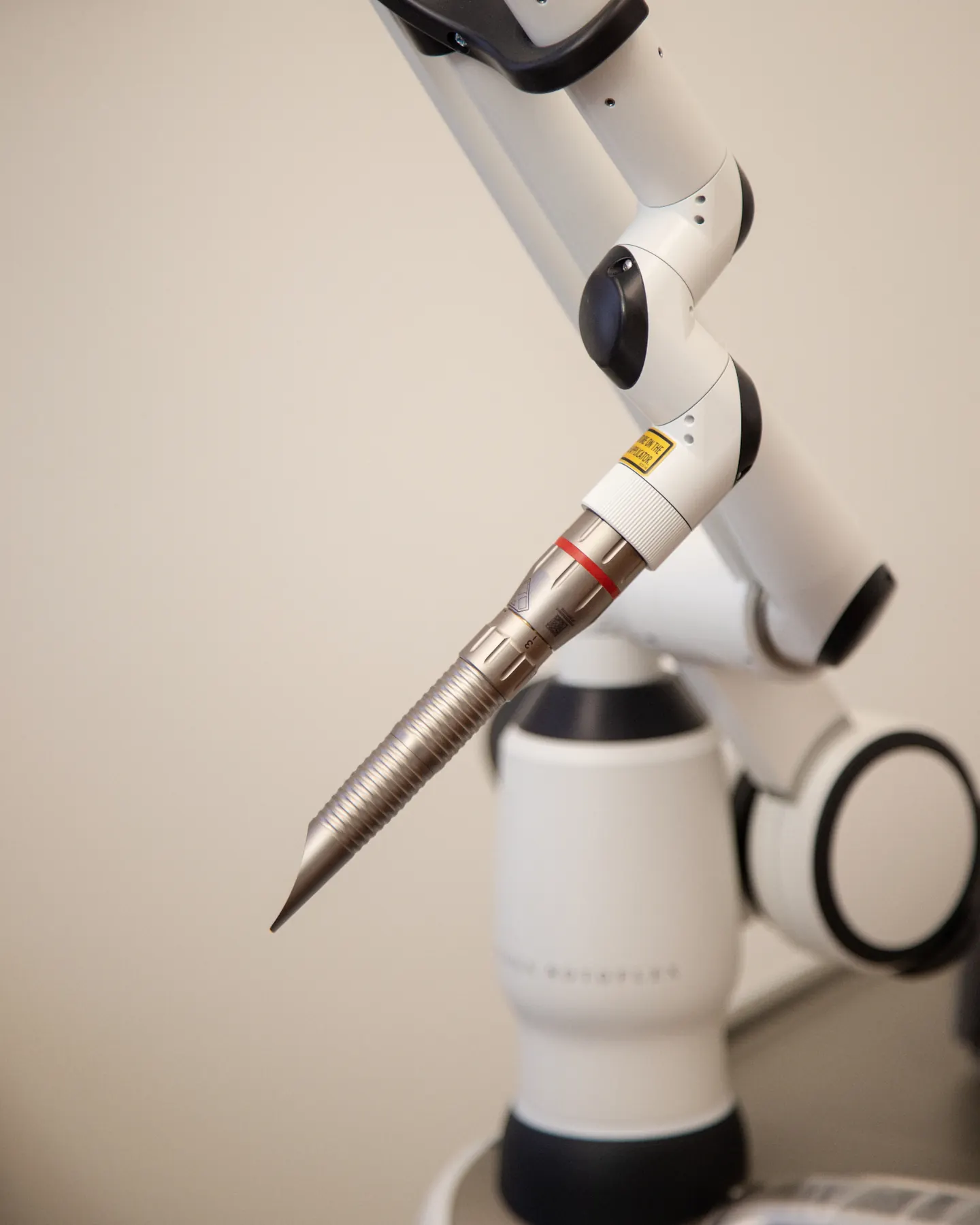
Skin rejuvenation has changed in a meaningful way over the past decade. Patients still want smoother texture, better tone, and a fresher look, but many are no longer asking for a dramatic overhaul. They want improvement that looks credible in daylight, at work, and in family photos. They want less downtime, fewer obvious signs of treatment, and results that Fotona 4D Laser Facial (TimeWalker) build rather than announce themselves. That is where the Fotona 4D Laser Facial (TimeWalker) has earned real attention.
What makes this treatment interesting is not just the technology behind it, but the way it approaches aging from more than one angle. Instead of relying on a single pass or one superficial peel-like effect, Fotona 4D uses several treatment modes in sequence to address tissue quality at different depths. In practice, that can mean tightening from within the oral cavity, improving surface texture, warming deeper tissue to encourage remodeling, and refreshing the skin’s outermost layer. The appeal is easy to understand: one session can target laxity, roughness, enlarged pores, fine lines, and dullness in a more layered way than many standalone treatments.
The TimeWalker platform has helped bring this protocol into wider conversation because it packages advanced laser treatments into protocols that are easier to customize. Still, this is not a one-size-fits-all facial. The best outcomes come from matching the treatment to the person in front of you, their skin quality, their tolerance for downtime, and their willingness to maintain results over time.
Why this treatment feels different
A lot of skin treatments promise rejuvenation. Not all of them work on the same biological level. Some are mainly exfoliating. Some create controlled injury to stimulate repair. Some focus on pigment, some on vessels, and some on collagen support. The reason Fotona 4D stands out is that it blends several effects into a single appointment, often using both Er:YAG and Nd:YAG laser modes available on the Fotona platform.
That matters because visible facial aging rarely comes from one issue alone. A patient may complain about smile lines, but the real picture often includes crepey lower eyelid skin, early jowling, dehydration, enlarged pores around the nose, and a loss of light reflection across the cheeks. If you only polish the surface, the skin may look brighter without looking firmer. If you only tighten deeply, texture may still read as tired. Layered treatment makes more sense when aging itself is layered.
In clinic conversations, this is often the turning point. Patients stop thinking of their concern as a single wrinkle and start seeing skin quality more broadly. When they understand that rejuvenation is not just about erasing lines but restoring structure, reflectivity, and elasticity, they are better able to judge whether a treatment like this suits their goals.
What “4D” actually refers to
The “4D” name can sound like marketing shorthand, but it does describe a practical concept. The protocol generally combines four complementary treatment modes, each designed to work at a different depth or for a different tissue effect. Depending on the provider and the exact TimeWalker configuration, there can be variation in how aggressively each step is performed, but the classic approach includes these components:
- an intraoral tightening step, often referred to as SmoothLiftin, to stimulate collagen from inside the mouth and support the nasolabial and perioral area
- a fractional or targeted deep treatment, commonly associated with FRAC3, to address texture irregularities and selected imperfections
- a bulk-heating phase, often linked with PIANO mode, to warm deeper tissue and encourage remodeling and tightening
- a light resurfacing or polishing step, sometimes called SupErficial, to refresh the surface and enhance overall radiance
The intraoral component is what surprises many first-time patients. It sounds unusual at first, but it is one of the more interesting features of the treatment. By working from the inside of the cheek and around the mouth, the provider can stimulate tissue where early sagging and fold formation often begin. For the right patient, this gives the treatment more structural relevance than a purely external facial.
The deeper heating phase is also important. Skin does not tighten simply because it has been irritated. Controlled thermal stimulation can encourage collagen remodeling over time, which is why results from this type of treatment often continue to evolve for weeks after a session. Patients who expect an instant, filler-like transformation may miss the point. The real value lies in gradual improvement in tissue quality.
What it can improve, and what it cannot
Done well, Fotona 4D is best thought of as a skin quality and early laxity treatment. It can help soften fine lines, improve texture, reduce a crepey look, refine some pore visibility, and create a firmer, more rested appearance. It may also improve the look of the perioral area, early nasolabial fold prominence, and mild lower face looseness.
That said, it has limits. It does not replace a surgical lift when there is significant skin redundancy. It does not volumize a hollow midface the way fillers can. It does not fully erase deep etched lines that have been present for years. And while some pigment and textural concerns may improve, dedicated pigment protocols may still be better when melasma or pronounced sun damage is the main complaint.
This is where experienced assessment matters. A 38-year-old with early collagen loss, post-summer dullness, and mild smile-line deepening may be thrilled with Fotona 4D. A 62-year-old with heavy lower-face laxity, deep marionette lines, and neck banding may appreciate some refinement, but would need a very honest discussion about realistic outcomes. The treatment can still be worthwhile for the latter patient, especially if surgery is not of interest, but expectations must be calibrated from the start.
The treatment experience, from the patient chair
Most sessions begin with photography, skin assessment, and a review of recent sun exposure, active breakouts, and medical history. Topical numbing may or may not be used depending on the settings and the provider’s protocol. Some clinicians prefer to numb selectively, while others proceed without it for certain steps.
The sensation changes through the treatment. The intraoral phase often feels warm and unusual more than painful. Patients sometimes describe it as a series of hot pulses against the inside of the cheeks. The deeper external heating can feel progressively warmer, almost like sustained heat building under the skin. Surface polishing or light resurfacing is where some people feel more prickling or stinging.
A typical appointment may last anywhere from about 45 minutes to 90 minutes, depending on how extensive the treatment is and whether the face alone or face and neck are included. Immediately afterward, the skin may look pink or mildly flushed. Some swelling can occur, particularly around the mouth or under the eyes if those zones were treated more actively. Most people feel presentable quickly, but “no downtime” is too broad a promise. Social downtime may be minimal, yet the skin often still looks treated for a day or two, and longer if stronger resurfacing settings are used.
I have seen the widest difference in patient satisfaction not from the machine itself, but from how well the treatment intensity matched the person’s schedule. Someone coming in on a Thursday before a weekend event may prefer a conservative polish and tightening session. Someone planning a quiet recovery window may opt for more noticeable resurfacing. Both are valid, but they should not be confused.
Fotona 4D Laser Facial (TimeWalker)Who tends to be a good candidate
Good candidates usually have early to moderate signs of aging and are interested in improvement rather than drastic change. They often notice that their skin looks tired even when they are well rested. Makeup may sit less smoothly than it used to. Pores seem larger, the lower face looks a little softer, and there is a mild crepiness that standard facials no longer touch.
The treatment can be especially appealing for patients who are not ready for injectables, want to complement injectables rather than replace them, or prefer treatments that stimulate their own tissue response. It is also useful for people who have reached a plateau with peels, microdermabrasion, or basic radiofrequency facials and want something more medically meaningful.
A careful consultation should screen for recent isotretinoin use, active infection, open wounds, pregnancy considerations depending on clinic policy, significant photosensitivity, and any tendency toward problematic scarring or post-inflammatory hyperpigmentation. Skin tone also matters. Lasers can often be used safely across a range of skin types, but settings and technique must be adjusted thoughtfully, especially when pigment disruption is a concern.
Where it fits among other rejuvenation options
Patients often compare Fotona 4D with microneedling, fractional lasers, radiofrequency, ultrasound tightening, and injectables. These are not interchangeable, though there is overlap.
Microneedling is valuable for texture and mild scarring, particularly when paired with a thoughtful series, but it generally does not deliver the same combination of internal tightening, thermal remodeling, and surface refinement in one sitting. A more aggressive fractional resurfacing laser can create stronger visible change in texture and lines, but usually with more downtime. Radiofrequency devices can support tightening, sometimes very nicely, but may not offer the same resurfacing component. Fillers restore volume, which this treatment does not. Neuromodulators reduce dynamic muscle movement, which this treatment also does not do.
This is why combination planning often works best. A patient might use neuromodulator for forehead movement, a conservative amount of filler for structural support, and Fotona 4D for skin quality and early laxity. Another patient may skip injectables entirely and rely on a series of laser sessions plus good skin care. There is no single ideal pathway. The right answer depends on anatomy, budget, timing, and preference.
Results, timing, and how long they last
Some change can be visible fairly quickly. The skin may look brighter and feel smoother within days. Mild tightening may also be noticeable early because of temporary tissue contraction and reduced surface roughness. The more meaningful changes, however, tend to unfold gradually over several weeks as collagen remodeling progresses.
A series often produces the best result. Many clinics recommend three sessions spaced several weeks apart, though exact timing varies by skin goals and treatment intensity. Maintenance can then be done once or twice a year, sometimes more often for people who are very proactive about skin quality.
Longevity depends on age, baseline skin condition, sun exposure, smoking history, hormonal changes, and home care. A patient who treats their skin well, uses daily sunscreen, and keeps inflammation low will usually hold results better than someone who returns to unprotected tanning or neglects maintenance entirely. This is not a permanent reset. It is a stimulus, and the skin continues to age after it.
One of the most realistic ways to describe outcomes is this: people often look fresher, smoother, and a bit firmer, but not transformed beyond recognition. For many patients, that is exactly the point.
Risks, trade-offs, and the less glamorous realities
Every energy-based treatment involves judgment calls. Higher settings may create more visible improvement, but they can also increase redness, swelling, discomfort, and downtime. Lower settings feel easier but may produce subtler change. There is no escaping that balance.
Possible side effects include redness, swelling, tenderness, temporary dryness, and a sandpapery feel as the skin renews. Breakouts can occur in acne-prone patients. Those with a history of cold sores may need antiviral precautions if the treatment involves the perioral region. Less common but important risks include pigment changes, prolonged irritation, and inconsistent results if the skin is not properly assessed or aftercare is poor.
One of the more common disappointments is not a complication but a mismatch in expectations. Patients hear “laser facial” and imagine a spa treatment with dramatic results and no recovery. Fotona 4D is more substantial than that. It sits in a middle ground, not as easy as a simple facial, not as disruptive as aggressive ablative resurfacing. That middle ground is useful, but only if it is explained clearly.
The role of aftercare
Aftercare influences both comfort and outcome more than patients expect. The skin has been heated and, in some protocols, lightly resurfaced. Treating it gently in the following days is not optional.
- use a bland, non-irritating moisturizer and a broad-spectrum sunscreen consistently
- avoid exfoliating acids, retinoids, scrubs, and harsh active ingredients until the skin barrier feels normal again and your provider clears you to resume them
- limit heat exposure for a day or two, including very hot showers, saunas, and strenuous exercise if you are still flushed
- do not pick at dry or rough areas as the surface renews
- contact the clinic if redness is worsening rather than steadily settling
This is not complicated care, but it does require discipline. I have seen otherwise excellent treatments undermined by patients restarting strong acids too early because they wanted to “boost” the result. Freshly treated skin rarely rewards impatience.
Cost and value, beyond the sticker price
Pricing varies widely by region, provider experience, and whether the treatment includes the neck or décolletage. In many markets, a single session lands somewhere in the mid to upper hundreds, and in some clinics it goes notably higher, especially when bundled with a more customized TimeWalker protocol. A series is a financial commitment, which makes honest treatment planning even more important.
Value is not just about what a session costs. It is about whether the treatment targets your main concern effectively enough to justify the expense. If your true issue is deep volume loss, no amount of laser polishing will feel cost-effective. If your concern is a diffuse decline in tone, texture, and firmness, Fotona 4D may offer better value than hopping from one lighter treatment to another with minimal cumulative change.
There is also provider value. A skilled clinician with a conservative eye may charge more but save you from the false economy of underpowered, poorly planned sessions. In aesthetics, cheaper treatment is often only cheaper on the day you pay for it.
What to ask at a consultation
A worthwhile consultation should feel specific, not scripted. The provider should examine your skin in good light, ask about downtime tolerance, review your past treatments, and explain where this protocol fits in relation to your actual goals. If someone immediately promises a lift, pore reduction, pigment clearance, and wrinkle removal without caveats, that is a warning sign.
Ask how they modify the protocol for your skin type. Ask what degree of redness and swelling is typical in their hands. Ask whether they recommend a series, what maintenance looks like, and what they would choose instead if your concern were different. Good consultations often include what not to do.
The strongest sign that you are in capable hands is nuance. Experienced providers rarely talk about devices as magic. They talk about indications, trade-offs, sequencing, and skin behavior over time.
A realistic place for Fotona 4D in long-term skin maintenance
The best use of the Fotona 4D Laser Facial (TimeWalker) is not as a miracle treatment but as part of a thoughtful strategy. It suits people who care about skin quality, want natural-looking rejuvenation, and understand that collagen support is cumulative. It can be a strong bridge between routine facials and more invasive procedures, and it can also serve as a maintenance tool for patients who have already invested in injectables or surgery and want the skin itself to match the structure beneath it.
What I appreciate most about it is its versatility when used well. On one patient, it can be tuned for a pre-event refresh with mild tightening. On another, it can be part of a longer plan to improve texture, soften the mouth area, and maintain lower-face firmness without dramatic downtime. That flexibility is where the TimeWalker platform earns its reputation.
Timeless skin rejuvenation is rarely about chasing youth in an obvious way. It is about preserving clarity, elasticity, and coherence so the face looks healthy and believable at every age. Fotona 4D does not stop time, but in the right setting, with the right expectations, it can help the skin wear time more gracefully.
OMNIA Wellness Center
Address: 16430 Ventura Blvd Ste 207, Encino, CA 91436
Phone: (818) 386-8511
FAQ About Fotona 4D Laser Facial (TimeWalker)
What are the benefits of Fotona laser treatment?
OMNIA offers this treatment for concerns such as uneven texture, dull tone, and fine lines. Results and the number of sessions vary, so discuss your goals with a provider.
Is Fotona laser safe?
A qualified provider should review your skin, medical history, medications, and recent sun exposure to determine whether the treatment is appropriate. Ask about possible irritation, pigment changes, and aftercare before booking.
How much does a Fotona 4D facelift cost?
Price depends on the treatment plan and number of visits. Ask OMNIA for an itemized estimate during your consultation.